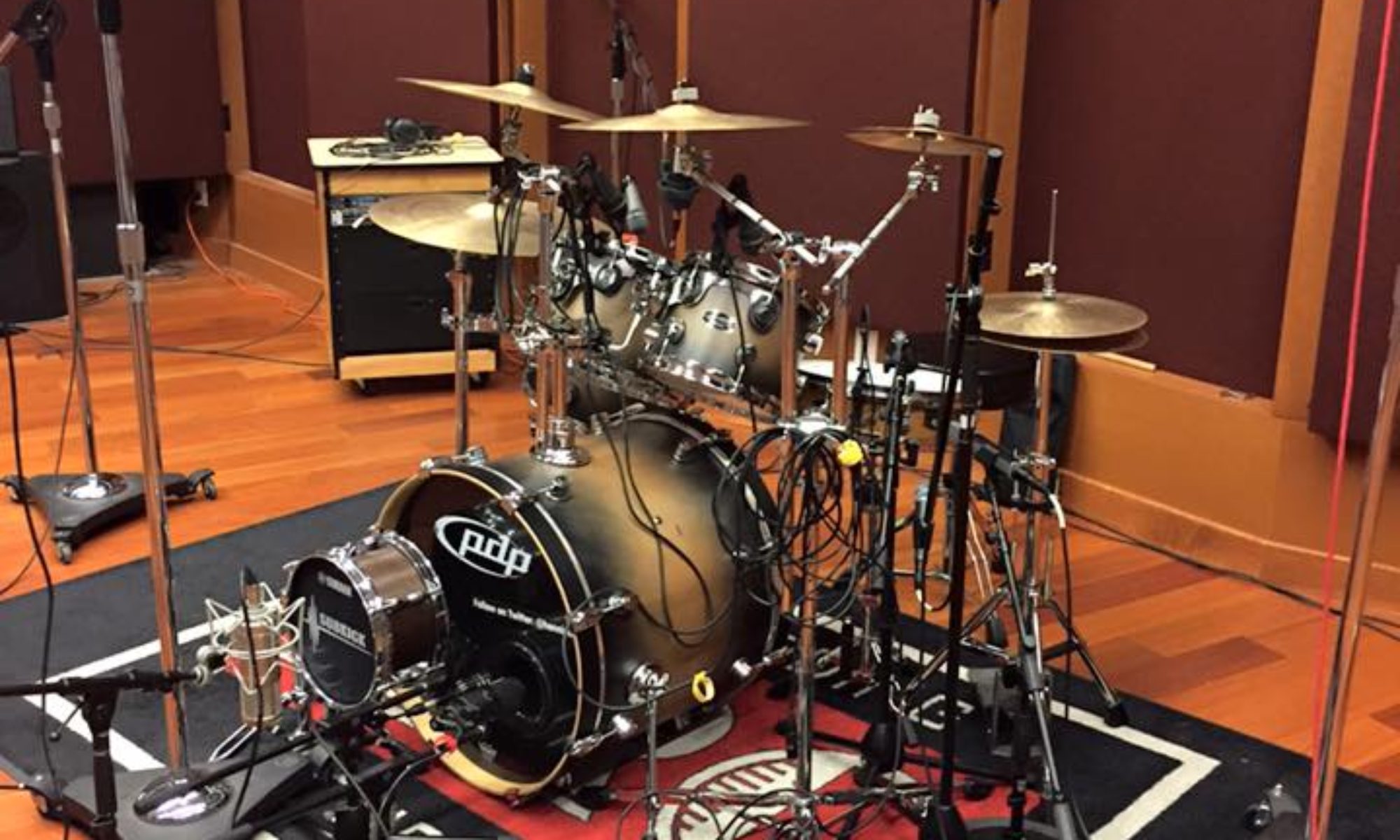


Adult drum lessons can start with the rock, punk and metal songs you already love. You know the song. Maybe it’s the opening fill you’ve air-drummed in the car for twenty years, or the blast-beat section that makes you rewind every time. You don’t want a lesson book that spends three months on quarter notes and “Hot Cross Buns.” You want to play that song.
That’s exactly how I teach adult drum lessons in Sacramento. After more than 40 years behind a kit, I’ve learned that the fastest way to build real drumming skill is to start with the music that made you want to play in the first place, and then use it to teach the technique, dynamics and feel underneath.
Why Rock, Punk and Metal Make Great Lesson Material
These styles get dismissed as “just loud,” but they’re packed with the exact skills every drummer needs:
- Rock teaches you groove, pocket and how to make a simple beat feel huge.
- Punk teaches you stamina, tempo control and how to stay relaxed at high speed.
- Metal teaches you precision, foot technique and how to stay clean when the notes get dense.
Learn a handful of songs across those three and you’ve covered most of what a working rock drummer does. The songs become the curriculum.
Adult Drum Lessons Built Around Your Favorite Songs
In your first lesson, I’ll ask what you listen to and which songs you want to play. Bring a list. Bring a playlist. Bring the one that scares you.
From there, here’s how a song becomes a lesson:
- We listen first. Before you touch the sticks, we pick the song apart: what the kick is doing, where the snare lands, what changes between verse and chorus.
- We break it into pieces. The main groove, the fill, the transition, the ending. Nobody learns a whole song in one pass.
- We slow it down. Slow practice is not a beginner crutch. Every drummer I respect still does it.
- We build back up to tempo. Once the pieces are clean, we stitch them together and bring the speed up gradually.
- You play along with the record. This is the payoff, and it’s where the fun is.
The point isn’t just to copy a recording. It’s that every song you learn this way teaches you something you can carry into the next one.
Dynamics: The Difference Between Playing Loud and Playing Powerfully
In adult drum lessons, we work on control as well as power. Most adult students come in thinking rock drumming means hitting as hard as possible. It doesn’t. The best rock, punk and metal drummers control their volume constantly.
Dynamics are what make a chorus hit harder than a verse. They’re why a snare back beat can feel like a punch instead of a smack. We’ll work on:
- Accents and ghost notes so your grooves have shape instead of sounding flat.
- Verse-to-chorus builds so the song actually lifts when it should.
- Cymbal control, because a washy, overplayed crash can bury a whole band.
- Playing quietly on purpose, which is harder than playing loud and makes you sound far more professional.
If you play in a band, or want to, dynamics are the skill that gets you called back.
Technique That Keeps You Fast, Clean and Injury-Free
Adult drum lessons let us connect technique with the music you want to play. Adult students have an advantage: you can understand why a technique works. We’ll use that.
Hands. Relaxed grip, good rebound, efficient stick height. Tension is the enemy of speed. Most players who “can’t get faster” are actually gripping too tight.
Feet. Punk and metal live and die on kick drum control. We’ll work on heel-up and heel-down approaches, single-pedal endurance and, if you’re headed toward metal, the foundations for double bass without building bad habits.
Posture and setup. Throne height, snare angle and pedal position affect everything. A few small adjustments often fix problems students have been fighting for months.
Rudiments, in context. I don’t hand you a rudiment chart and walk away. We pull paradiddles, flams and double strokes out of the songs you’re learning so you see where they actually go.
What Typical Adult Drum Lessons Look Like
Every student is different, but a lesson usually goes like this:
- A quick warm-up for hands and feet
- Review of what you practiced that week
- New material from your song, broken down and played slowly
- A technique or dynamics focus tied to that song
- A plan for the week, so you know exactly what to practice
You leave each lesson with something you can play, not just something you studied.
Who These Adult Drum Lessons Are For
You don’t need to be young, fast or experienced. These lessons suit:
- Total beginners who want to start with real songs from day one
- Returning players who drummed in high school or a garage band and want to get back in shape
- Self-taught drummers who’ve hit a ceiling and want cleaner technique and better time
- Band players who want to tighten up for rehearsals, shows or recording
If you can listen to a song and tap along, you have what you need to begin.
Do I Need My Own Drum Kit?
For adult drum lessons, it helps to have something to practice on between sessions, but you don’t need a full acoustic kit to start. A practice pad and sticks cover a lot of ground, and an electronic kit is a great option if you have neighbors or limited space. If you’re not sure what to buy, ask me before you spend anything. I’ll point you toward something that fits your goals and your living situation.
Your Rock Drum Teacher in Sacramento
I’ve been playing for over 40 years, and I teach the way I wish I’d been taught: start with the music you love, build real technique around it, and never lose sight of why you picked up the sticks. If you’ve been searching for a rock drum teacher in Sacramento who will teach you the songs you actually care about, you’re in the right place.
Ready to start? Request availability for adult drum lessons in Sacramento. Tell me the first three songs you want to play, and we’ll build from there.
FAQ
Are these lessons only for rock, punk and metal? Absolutely not. So, if your taste runs wider, we can work that in. The fundamentals carry across styles.
How often should I take lessons? Weekly is ideal for steady progress. Some students go every other week if their schedule is tight, as long as they practice in between.
I’m a complete beginner. Is it too late to start? No. Starting with songs you love tends to keep adults motivated far better than abstract exercises.
Can you help me prepare for a band rehearsal or gig? Yes. Bring the set list and we’ll work through the songs, the transitions and any parts that trip you up.
How loud will I be playing? As loud as the song calls for, and we’ll also work on playing softer, which is just as important.