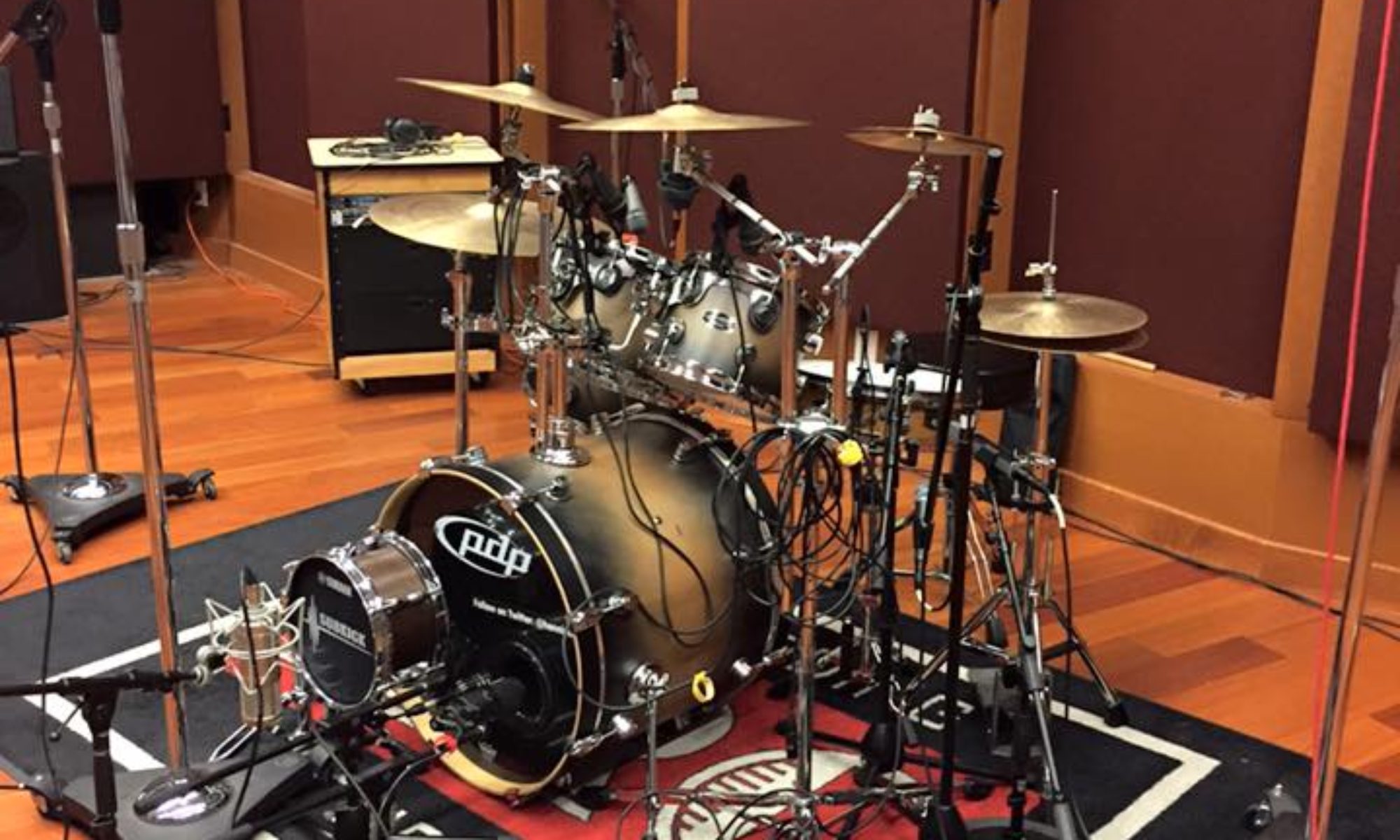


Acoustic vs. Electronic Drums for Beginners is one of the first questions I hear from new students and their parents, often before we’ve even scheduled a first lesson. Both kinds of kits can teach you to play, and both have real strengths. The right choice depends less on which is “better” in the abstract and more on where you’ll practice, how much noise your household can handle, and what you hope to play. In this guide, I’ll walk through how the two kits differ, what each does well, what carries over from one to the other, and how to think about your budget. After more than 40 years behind a kit, here is what I tell my own students.
Acoustic vs. Electronic Drums for Beginners: Key Differences
An acoustic kit makes sound the traditional way: you strike a drum-head or cymbal, and it vibrates and projects sound into the room. Everything you hear comes from the physical instrument, so the sound changes with how you hit, where you hit, and how the drums are tuned.
An electronic kit uses rubber or mesh pads and cymbal-shaped pads with sensors. When you strike a pad, the sensor sends a signal to a sound module, which plays a recorded or synthesized drum sound through headphones or speakers. The pads still make some tapping noise, but the “real” sound is whatever the module is playing.
Feel is where beginners notice the biggest difference. Acoustic drum-heads have a lively, springy rebound that you learn to work with. Electronic pads tend to feel firmer or more uniform, and cymbal pads don’t swing or ring the way real cymbals do. Neither feel is wrong, but each shapes your habits in its own way.
| Acoustic Drums | Electronic Drums | |
|---|---|---|
| How sound is made | Vibrating drum-heads and metal cymbals | Sensors trigger sounds from a module |
| Volume | Loud, with limited control | Adjustable, with headphone use |
| Feel and rebound | Natural, varied response | More uniform, depends on pad type |
| Space needed | Often larger | Often more compact |
| Practice tools | None built in | Metronome, coaching features, recording |
| Maintenance | Tuning, heads, hardware | Fewer adjustments, some cable and module care |
The key thing for beginners to understand is that you’re not choosing between a good instrument and a bad one. You’re choosing which set of trade-offs fits your life.
Advantages of Acoustic Drums for Beginners
The biggest advantage of acoustic drums is that they respond honestly. Play softly and you get a soft sound; hit harder and the tone opens up. That natural range of dynamics teaches students to listen to their own touch from day one.
Rebound is another major benefit. A drumstick bounces off a real head in a way that rewards relaxed, efficient technique. Students learn to let the stick do some of the work instead of forcing every stroke, which supports good habits for speed and control later on.
Cymbals also behave differently on an acoustic kit. They swell, decay, and blend in ways that are hard to fully reproduce on pads. Learning to shape a crash or ride sound is part of becoming a musical drummer.
Acoustic drums also teach volume control in a very real way. Playing quietly and evenly on a loud instrument is a skill, and many students find that practicing it early pays off in every band situation they play in later.
The limitations are practical ones. Acoustic kits take up real floor space, and they are loud. In an apartment, a shared home, or a house with close neighbors, that noise can limit when and how long you can practice. Some families solve this with practice pads, mutes, or scheduled practice windows, but it’s worth being honest about how much noise your situation can tolerate.
Advantages of Electronic Drums for Beginners
The most obvious advantage of an electronic kit is adjustable volume. Plug in headphones and the room stays quiet enough for most households. For many families, that single feature is what makes regular practice possible at all.
Electronic kits also tend to come with helpful tools. Built-in metronomes, practice modes, and play-along features can make solo practice more structured and motivating. Many kits also offer different drum sounds, which can keep younger students engaged while they build fundamentals.
Recording is another benefit. Many electronic kits can capture your playing, either as audio or as performance data, so students can listen back and hear their timing honestly. That kind of feedback is valuable at any level.
One caution: electronic drums are quieter, not silent. The sticks hitting pads, and the kick pedal hitting its pad, still create physical noise that can travel through floors and walls. In an upstairs apartment, that thumping can still be noticeable to neighbors below, so placement and a solid base matter. Although Roland now makes a version of their electronic kit that is named Quiet Design, which truly does diminish and almost renders the sound of the tapping on the pads a thing of the past.
Which Drum Kit Is Better for Practicing at Home?
The best kit for home practice is the one a student will actually play regularly, and that depends heavily on where you live.
Apartments and condos. Noise is the main factor here. An electronic kit with headphones is usually the more realistic choice, especially if neighbors share walls, floors, or ceilings. Consider a thick rug or a platform under the kit to reduce vibration.
Houses. If you have a basement, garage, or spare room, an acoustic kit becomes much more practical. Distance from sleeping areas and neighbors matters more than the size of the house itself.
Shared living spaces. If you live with roommates, family members who work from home, or people with different schedules, an electronic kit gives you flexibility to practice without disrupting anyone.
Available practice areas. Think about where the kit will actually sit. A kit that has to be set up and torn down each time is a kit that gets played less. A permanent corner, even a small one, makes a big difference.
A few practical suggestions apply no matter which route you choose. Set agreed practice times, especially with neighbors or family. Use a practice pad for quiet warm-ups and rudiments. Ask whether the space can be treated with rugs or soft furnishings. And if you’re unsure, talk it through with a teacher before buying anything.
Start Learning Drums in Sacramento
Can You Learn Proper Drum Technique on Electronic Drums?
Yes, with some awareness of the differences. Many of the most important skills carry over between kit types: steady timing, limb independence, reading and counting rhythms, basic stick control, and the coordination to play beats and fills.
What changes is the feedback you get from the instrument. Pads respond differently than drum-heads, and the stick often rebounds in a slightly different way. Students who learn only on electronic pads sometimes need a short adjustment period when they first sit at an acoustic kit, especially for rebound and touch.
Cymbals are the other major difference. Cymbal pads are smaller and more limited in how they respond to different strokes, and they don’t ring or swell like real cymbals. Hi-hat feel can also vary depending on the kit. None of this prevents a student from building good technique, but it’s worth knowing that cymbal control is something you’ll refine further when you play acoustic drums.
If your goal is to eventually play in bands or perform live, try to get regular time on an acoustic kit, whether at lessons, a rehearsal space, or a friend’s house. That way you build the best of both worlds.
How Much Should Beginners Spend on Their First Drum Kit?
Prices change often, so rather than quote numbers that will be out of date quickly, here is how I suggest thinking about a budget.
Start by deciding what you can comfortably spend without stress. A first kit doesn’t need to be a long-term investment. Many students outgrow or change their equipment as their interests become clearer, and a modest starting point lets you find that out without a big commitment.
Compare the full cost, not just the kit. Sticks, a stool, headphones or an amplifier for electronic kits, cymbals, heads, and accessories can all add up. Used equipment can be a good value, but it helps to have an experienced person check it first.
It also isn’t always necessary to buy an expensive kit before taking lessons. In the early months, a student is learning posture, grip, timing, and basic coordination. Those skills develop well on a simple, solid setup. Once you know that the student enjoys playing and what style they want to pursue, you can make a more confident upgrade.
Do You Need a Drum Kit Before Starting Lessons?
Not necessarily. Many beginners start with a practice pad and sticks, or begin lessons on the teacher’s kit, and wait to buy a full setup until they know they’re committed. A good teacher can help you understand what to look for, what to avoid, and which features matter for your goals, so your first purchase is an informed one. (For a more detailed look at equipment, see my separate guide on what you need to get started.)
My Recommendation as a Sacramento Drum Teacher
After more than 40 years of playing and teaching, I don’t think there’s one right answer for everyone. I think there’s a right answer for each student’s situation.
If you live in an apartment or share walls with neighbors, an electronic kit is often the most practical way to practice consistently, and consistency matters more than almost anything else for a beginner. If you have a house with a space where noise won’t be a problem, an acoustic kit gives you the most natural touch, rebound, and cymbal response from the start.
If your goal is to play in bands, perform live, or record with acoustic kits, make sure you’re getting regular time on real drums, even if your daily practice happens on electronics. If your goal is to enjoy music, learn at home, and have fun, an electronic kit can do the job very well.
And if budget is tight, start small. A practice pad, good sticks, and consistent lessons will take a student further than an expensive kit that sits unused. I’ve seen students make great progress on very modest setups, and I’ve seen expensive kits collect dust. What matters most is steady practice and good guidance.
Frequently Asked Questions
Are electronic drums good for beginners?
Yes. Electronic drums are a good choice for many beginners, especially when noise is a concern. They allow quiet practice, offer helpful built-in tools, and teach timing and coordination effectively. Just keep in mind that touch and cymbal feel differ from acoustic drums, so occasional time on an acoustic kit is helpful.
Are acoustic drums too loud for home practice?
They can be, depending on your home and neighbors. Acoustic drums are loud, and that can limit when and where you can practice. Some families manage with agreed practice times, a dedicated room, or practice pads for quieter sessions, but in close living quarters an electronic kit is often more realistic.
Can students switch between acoustic and electronic drums?
Yes, and many drummers do. Timing, coordination, and rhythm skills carry over well. The main adjustment is in feel: rebound, touch, and cymbal response. With a little practice, most students adapt quickly, especially with guidance from a teacher.
Whether you’re leaning toward acoustic, electronic, or still figuring it out, you don’t have to decide alone. I’m happy to talk through your space, your goals, and your budget, and help you find a setup that fits. Reach out to discuss drum lessons in Sacramento, and let’s get you or your child started on the right foot.
Not Sure Which Drum Kit Is Right for You?
Choosing your first drum kit doesn’t have to be complicated. With more than 40 years of drumming experience, Patrick Hennessey offers private drum lessons in Sacramento and online.
Whether you’re starting from scratch or helping your child begin playing, lessons can help you develop proper technique and make informed equipment decisions.