Do You Need a Drummer for a Gig? How to Find the Right Live Drummer – Part 2

Hennessey on Drums
HOD Rocklin

Give the Drummer the Set List Before the Gig

What do you mean you don’t have a set list yet? Soundcheck is not the first time I should discover what’s on tonight’s set list. It happens more often than it should — as a hired player I’m here, gear set up, and someone finally says, “Oh, we’re opening with the one in 6/8.” That’s not a soundcheck anymore. That’s a crash course and you’re actively setting us all up for a rough night.

Professional Drummer for hire in Sacramento.

If you want a hired drummer to walk in and sound like they’ve been playing with you for years, the secret isn’t luck — it’s prep. Here’s what to send over, and why it matters more than you might think.

Recordings

A recording is worth a thousand chord charts. Even a rough phone recording from rehearsal gives a drummer the feel, groove, and dynamics of a song in a way sheet music never fully captures. Send what you’ve got, however imperfect — it’s still better than nothing.

The Set List

Order matters. When I know the set list in advance I can pace my energy, anticipate transitions, and mentally rehearse the flow of the night. Handing it over five minutes before downbeat means I’m sight-reading the shape of your show in real time.

Charts

Not every hired drummer needs full notation, but a simple chart — sections, form, key changes, key figures — is often the difference between “nailed it” and “close enough.” Charts are a safety net, especially for material with unusual structures or memorable hits.

Song Keys

Keys matter more to a drummer than people assume — vocal cues, instrumental stabs, and rhythmic hits are often tied to specific chord changes. As the drummer I’m listening to everything going on at the same time and reacting. The more information I have, the more tools in my toolbox.

Tempos

“Medium groove” is not a real thing. A BPM number — and a reference recording — removes the guesswork and prevents a song from mysteriously speeding up or dragging because nobody agreed on the tempo beforehand.

Endings

Nothing telegraphs an under-prepared band faster than a ragged ending. Whether a song stops cold, fades, or rides out on a vamp, the drummer needs to know exactly how it wraps up — because everyone in the audience is watching (and listening) for that final hit.

Transitions

Songs that flow into each other, tempo changes mid-set, or medleys all require advance warning. A drummer caught off guard by a transition can throw off the whole band’s momentum, even if every individual song was rehearsed perfectly.

Click Tracks and Backing Tracks

If your set involves a click, backing tracks, or triggered elements, this is non-negotiable information to share ahead of time. Drummers need to know what gear to bring, how to monitor it, and how tightly they need to lock in — not figure it out while a track is already playing in their ears. (True Story) On one gig I played the whole set had backing tracks and click tracks. As soon as we started the first song everything in my in ear monitors failed and I had to play the whole show with no ques, monitors or tracks. this is something I wouldn’t wish on my worst enemy.

Why This Actually Matters

Hiring an experienced drummer buys you skill, feel, and adaptability — but even the best player can’t read your band’s mind. The prep work you do beforehand is what turns a hired gun into a seamless part of the show. Give them the tools, and they’ll give you a performance that sounds like it was rehearsed for months, not learned in an afternoon.

The Bottom Line

A little preparation goes a long way. Send the recordings, the set list, the charts, the keys, the tempos, the endings, the transitions, and the click track details — all before the gig, not during it. Your drummer will thank you, and so will your audience.

Do You Need a Drummer for a Gig? How to Find the Right Live Drummer – Part 1

Hennessey on Drums

Have you ever had a gig booked and one of your band members bails out on the gig at the last minute?

The show is tonight, but you’re short a musician. Maybe the regular bass player is making a sandwich at home in his kitchen, and it is showtime, right now! (True Story.)

Perhaps you’re assembling a band for a one-off performance, or you need an experienced player for an upcoming run of shows. What is your first move? Let’s talk about it, but only if you’re looking for a drummer. yes, professional drummers can be hired for individual gigs, rehearsals, special events, tours, and other live performances. In fact that’s what I do.

Professional Drummer for hire in Sacramento.

HOD DP

When Does It Make Sense to Hire a Drummer?

A great drummer doesn’t just keep time — they hold the whole band together. But not every situation calls for a permanent addition to your lineup. Sometimes what you need is a hired gun: someone who can walk in, learn the material, and deliver a rock-solid performance without a long-term commitment. Here’s a look at the most common scenarios where hiring a drummer makes sense.

Covering a Missing Regular Drummer

Drummers get sick, move away, or simply need a night off — and unlike a missed guitar solo, an empty drum throne can derail an entire show. If your regular player is unavailable and the gig can’t be rescheduled, a hired drummer keeps the band on stage and the commitment to your venue or fans intact.

One-Off Performances

Not every show requires a permanent band member. Weddings, private parties, corporate events, or a single festival slot are all situations where bringing in a drummer for that one date is far more practical than recruiting someone full-time.

Special Events

Album release shows, tribute nights, benefit concerts, and other one-time events often call for a specific sound or a higher level of polish than your everyday lineup provides. Hiring an experienced drummer for the occasion can elevate the performance without changing your band’s regular makeup.

Newly Formed Bands

When a band is just coming together, finding the right permanent drummer can take time. Bringing in a hired player lets you start rehearsing, writing, and even booking shows while you continue the search for a long-term fit — rather than putting everything on hold.

Touring Situations

Touring is demanding, and not every drummer can commit to weeks or months on the road. Hiring a touring drummer — someone experienced with life on the bus, tight schedules, and unfamiliar stages every night — can keep a tour running smoothly, especially if your regular player has other obligations.

Auditions

If you’re actively looking to fill a permanent drum chair, hiring drummers for trial gigs or short-term runs is a practical way to see how they perform live, how well they mesh with the band, and how they handle real audiences — not just a rehearsal room.

Artists Needing a Live Band for Recorded Material

Solo artists, producers, and songwriters who record with programmed drums or session musicians often need to translate that material into a live show. Hiring a drummer who can interpret recorded parts — and bring energy to them on stage — is often the fastest way to go from studio project to live act.

The Bottom Line

Hiring a drummer isn’t just a fallback option — it’s a flexible solution for a wide range of situations, from filling a last-minute gap to launching a brand-new project. Whether you need one show or one tour, the right hired drummer can make sure the beat never skips.

How Often Should You Take Drum Lessons?

HOD
upside down

A Beginners Guide

If you’re just starting out on the drums, one of the first questions you’ll face is how often you should actually be taking lessons. For most beginners, once a week hits the sweet spot. This cadence gives your instructor enough time to introduce new concepts—whether it’s rudiments, coordination exercises, or your first grooves—while leaving you several days in between to actually absorb and practice what you learned. Cramming in more lessons too early can feel overwhelming, since you’ll be piling on new information before you’ve had a chance to build muscle memory on the last lesson’s material. On the flip side, spacing lessons out too far (say, every two or three weeks) often leads to backsliding, since drumming is a physical skill that fades without regular reinforcement. Weekly lessons paired with short, consistent practice sessions—even just 15 to 20 minutes a day—tend to produce the steadiest progress for newcomers. As you advance and your technique solidifies, you can always adjust the frequency based on your goals, budget, and how quickly you’re picking things up.

Is One Drum Lesson a Week Enough?

For most beginners, yes—one lesson a week is not just enough, it’s often ideal. Learning drums is as much about physical conditioning as it is about musical understanding: your hands, feet, and brain all need time to build coordination that simply can’t be rushed. A weekly lesson creates a rhythm (pun intended) that mirrors how skill actually develops. You get new material—say, a paradiddle pattern or a basic rock beat—and then you have a full week to drill it slowly, make mistakes, and gradually smooth it out before your instructor checks in again. That gap is where the real learning happens. Muscle memory forms through repetition spread out over days, not crammed into back-to-back sessions, so the week between lessons functions less like downtime and more like the “processing” phase of the whole learning cycle.

This spacing also protects beginners from a very real risk: cognitive and physical overload. Drumming asks your limbs to do different things simultaneously, which is mentally taxing in a way that, say, learning guitar chords isn’t quite the same. If lessons come too frequently, students often end up with a pile of half-practiced techniques and no time to consolidate any of them—leading to frustration, sloppy habits, and burnout. A once-a-week structure paces the curriculum so each new skill has room to settle before the next one arrives, which keeps confidence and motivation intact. It also builds a sustainable practice habit: knowing you have seven days until your next check-in encourages regular, self-directed practice rather than last-minute cramming, which is a far more reliable way to actually get better behind the kit.

private drum lessons in Sacramento.

What Happens Between Drum Lessons?

While the lesson itself is where you pick up new techniques and get real-time feedback from your instructor, the real transformation happens in the days that follow, during your own practice time. A lesson plants the seed—showing you the correct hand position, the right beat pattern, or how to count out a tricky rhythm—but it’s the repetition afterward that turns that information into actual skill you can call on without thinking. Interestingly, how you structure that practice time matters just as much as how much of it you do: short, consistent sessions of 15-20 minutes spread across several days tend to build muscle memory far more effectively than one exhausting two-hour session crammed in the night before your next lesson. This is because skills like drumming rely on your brain and body reinforcing new patterns over time, with rest in between allowing that learning to actually “stick.” So while your lesson gives you the roadmap, it’s the small, steady steps you take between lessons that carry you forward.

How Often Should Beginners Practice Drums?

For beginners, consistency beats duration every time. A realistic target as stated of 15-20 minutes a day, most days of the week, rather than saving it all up for one long weekend session. Short, daily practice keeps the material fresh and lets your hands and feet build muscle memory gradually, which is how drumming skills actually take hold. Someone who practices 20 minutes daily will almost always outpace someone who practices two hours once a week, even though the total time is similar—because the brain needs repeated, spaced exposure to lock in coordination, not a single burst of effort. So rather than asking “how many hours am I logging?”, beginners are better off asking “how many days this week did I sit down and practice?” That shift in mindset is what actually builds real progress behind the kit.

Should Kids and Adults Follow the Same Schedule?

Not necessarily—while weekly lessons work well as a general starting point, the ideal schedule often shifts depending on who’s behind the kit. Kids typically have shorter attention spans, so their practice sessions may need to be broken into smaller chunks—maybe two 10-minute sessions instead of one 20-minute stretch—and their progress can be more tied to school schedules, homework loads, and other extracurriculars competing for their time. Adults, on the other hand, often bring more focus and self-discipline to practice but face their own scheduling battles with work, family, and general life demands, which can make consistency harder to maintain even if motivation is high. Goals matter too: a child taking lessons for fun and general development may thrive with a relaxed, flexible approach, while an adult working toward a specific goal—joining a band, prepping for a performance—may benefit from a more structured, disciplined routine. Ultimately, age and lifestyle should shape the how of practicing (session length, timing, structure), even if the why of consistent, regular engagement stays the same for everyone.

What If I Want to Improve Faster?

If you’re looking to accelerate your progress, the answer usually isn’t more hours—it’s more focus. Rather than just running through material randomly, faster improvement comes from setting specific, targeted goals for each practice session: mastering a particular fill, tightening up your timing with a metronome, or nailing a transition you’ve been struggling with. This kind of deliberate practice, where you’re actively problem-solving rather than just repeating patterns on autopilot, tends to produce noticeably quicker gains than simply adding more minutes to your routine. That said, there are moments when increasing lesson frequency genuinely makes sense—if you’re prepping for an audition, an upcoming performance, or a recording session, going to two lessons a week for a short stretch can give you the extra feedback and accountability needed to polish material under a deadline. The key is treating that increased frequency as a temporary, goal-driven push rather than a permanent new pace, so you get the benefit of intensified focus without burning out once the pressure period has passed.

Can You Take Drum Lessons Every Other Week?

Biweekly lessons can work, particularly for more experienced players who already have solid technique and just need periodic guidance to refine their playing or learn new material at a slower pace. For these students, two weeks between check-ins gives them ample time to work through material independently without needing constant correction. Beginners, however, tend to benefit far more from weekly instruction, simply because they haven’t yet developed the ear and body awareness to catch their own mistakes. Small technical errors—like an awkward grip, inconsistent timing, or poor posture—can quietly become habits within just a week or two of unsupervised practice, and the longer those habits go uncorrected, the harder they are to undo later on. A weekly lesson acts as a regular checkpoint, catching these issues while they’re still easy to fix, which ultimately saves beginners time and frustration down the road compared to having to “unlearn” bad technique after weeks of biweekly gaps. So while biweekly lessons aren’t off the table entirely, most new drummers will progress more smoothly—and avoid a long habit-correction process—by sticking to a weekly rhythm early on.

private drum lessons in Sacramento.

How Long Should You Take Drum Lessons?

There’s no real finish line when it comes to drum lessons, and that’s actually good news. Many beginners assume there’s a set point—maybe six months, maybe a year—where they’ll have “learned drums” and can stop, but the reality is that the goals themselves keep evolving the longer you play. What starts as learning your first basic beats soon expands into building coordination between your limbs, working through rudiments, learning to read music, and exploring different musical styles like rock, jazz, or funk—each of which brings its own techniques and challenges. Eventually, many drummers find their focus shifting again toward playing with other musicians, where timing, listening, and dynamics become just as important as technical skill. Because of this, the better question isn’t “how long should I take lessons?” but rather “what am I currently working toward?” Lessons remain valuable for as long as you have something new to learn or refine, which for most drummers—even professionals—turns out to be an ongoing, open-ended journey rather than a destination with a clear end date.

Finding the Right Drum Lesson Schedule for You

At the end of the day, there’s no universal formula for the “correct” drum lesson schedule—only the one that fits your goals, lifestyle, and pace of learning. Weekly lessons remain the best starting point for most beginners, offering that steady rhythm of new material paired with time to practice and absorb it. But as this guide has shown, the right schedule can shift depending on your age, attention span, and other commitments, and it might change again if you’re chasing a specific goal, preparing for a performance, or simply craving faster progress. Even the length of your overall lesson journey isn’t fixed, since the skills worth learning on drums never really run out. What matters most is staying honest with yourself about how much time you can realistically commit, how quickly you’re absorbing new material, and what you actually want out of playing. A good instructor can help you find that balance, adjusting the pace as your needs change—because ultimately, the best schedule isn’t the one that looks good on paper, but the one you’ll actually stick with.

Ready to Make Some Noise?

Watching videos and practicing on your own can take you a long way, but personalized feedback can help you understand what to work on next. Patrick Hennessey offers one-on-one private drum lessons in Sacramento for beginners through experienced players.

Schedule your private drum lesson and let’s get you behind the kit.

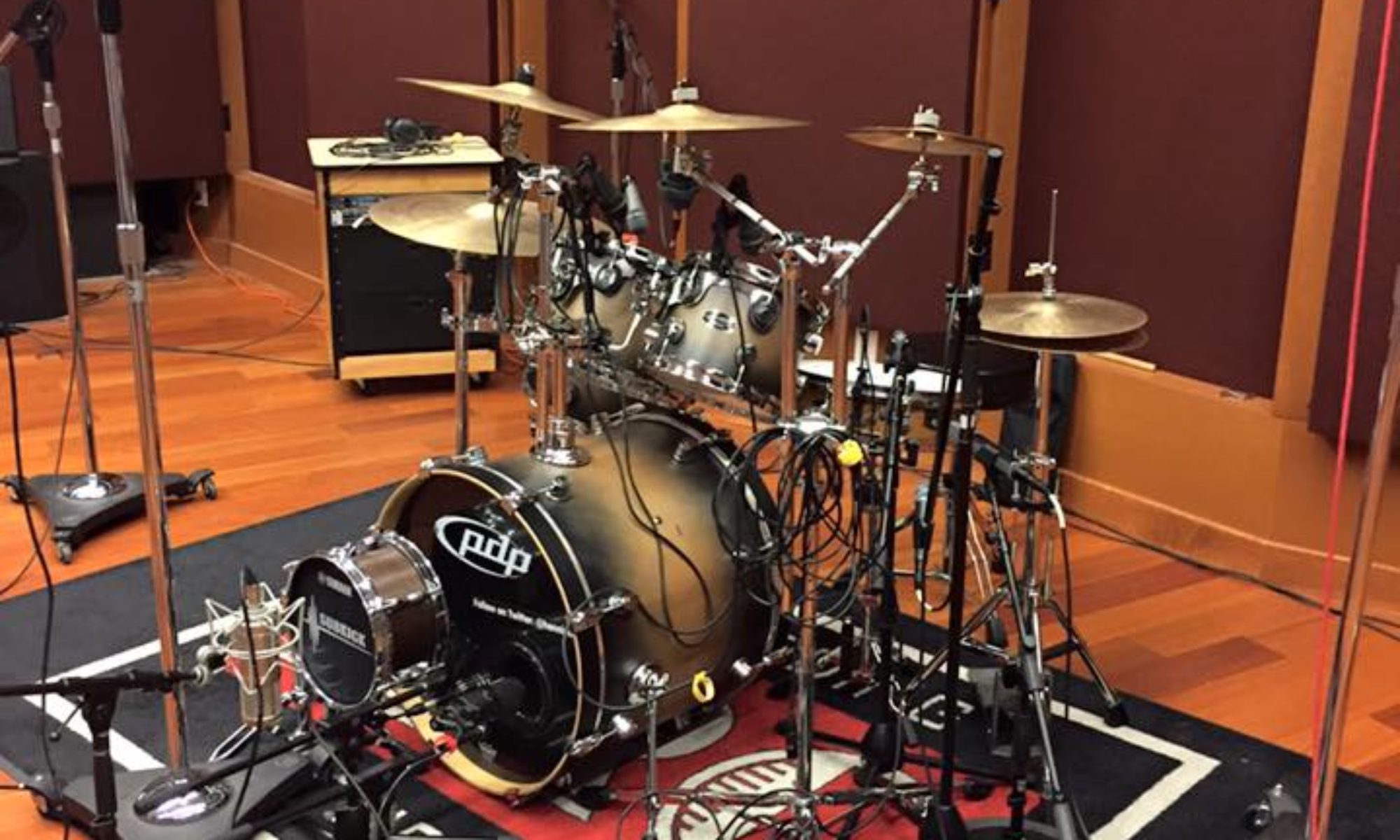
PDP Kit

How Old Should Kids Be When They Start Drum Lessons?

HOD
Drums, xylophone clipart, musical instrument

What Age Should Kids Start Drum Lessons?

Parents ask me this question all the time:

“Is my child old enough to start playing drums?”

There’s no magic birthday when someone suddenly becomes ready to play.

For many kids, somewhere around age 7 or 8 can be a great time to begin structured lessons. But age isn’t nearly as important as interest, attention span, coordination, and enthusiasm.

Interest Comes First

If your child keeps tapping on tables, air-drumming to songs, staring at drummers during concerts, or turning household objects into percussion instruments, pay attention.

You may already have a drummer in the house.

A child who genuinely wants to learn will usually get much more out of lessons than one who’s being told they should learn an instrument.

Does My Child Need a Full Drum Set?

Not necessarily.

Beginning drummers can learn an enormous amount about rhythm, technique, stick control, and rudiments without immediately investing in a massive acoustic drum kit.

Talk with the instructor before buying equipment. A good drum teacher can help you determine what your child actually needs.

Lessons Should Be Fun

Technique matters.

Timing matters.

Practice matters.

But we’re still playing music.

A child’s early experience with an instrument can shape how they feel about music for years. I want young drummers to develop good habits while also experiencing the excitement of actually making music.

Every Child Learns Differently

One of the advantages of private instruction is being able to adjust the lesson to the student.

Some children learn visually. Some learn by listening. Some need repetition. Others want to jump behind the kit and try everything immediately.

There’s no reason every student should be taught exactly the same way.

Give Them a Chance to Discover Their Groove

Your child doesn’t need to know whether they want to become a professional drummer.

They just need the opportunity to start.

If your young musician is ready to explore the drums, learn more about private drum lessons with Hennessey On Drums.

The next great drummer has to pick up the sticks for the first time somewhere.

Can Adults Learn how to Play Drums?

HOD

Can Adults Learn to Play Drums?

Yes.

Next question.

Actually, let’s talk about this one, because I’ve heard some version of this countless times:

“I’ve always wanted to play drums, but isn’t it too late?”

No.

You don’t age out of music.

You Don’t Have to Become Neil Peart

One thing that prevents adults from learning an instrument is the belief that being a beginner means they’re going to be terrible.

Of course you’re going to be a beginner.

That’s the point.

You aren’t trying out for a world tour next Tuesday. You’re learning something new.

The goal of your first drum lesson isn’t to become a great drummer.

It’s to become a slightly better drummer than you were when you walked through the door.

Then you do it again.

Adults Actually Have Some Advantages

Adult students often understand something younger students haven’t learned yet: improvement requires patience.

Adults can also bring decades of listening experience to the instrument.

You’ve heard rock, funk, soul, country, jazz, metal, pop and countless other styles throughout your life.

You already understand more about music than you probably realize.

Now we’re teaching your hands and feet how to participate in the conversation.

What If I Have No Rhythm?

I’ve heard that one too.

Who told you, you have no rhythm? More importantly, who cares what they think.

Rhythm is a skill that can be developed.

We start slowly. We break things down. We work on coordination, timing and technique. Then we gradually put those pieces together.

Eventually, something pretty amazing happens:

You’re playing drums.

You’ve Waited Long Enough

I’ve been playing drums for more than 40 years, and I can tell you there is always something new to learn behind the kit.

That’s part of what makes drumming so much fun.

If you’ve spent years saying, “Someday I’d love to learn drums,” maybe someday has arrived.

Learn more about adult and private drum lessons in Sacramento.

You’re not too old. You just haven’t started yet.

How Much Do Drum Lessons Cost in Sacramento?

HOD
Money bag png sticker illustration

How Much Do Drum Lessons Cost in Sacramento?

If you’re thinking about learning to play drums—or you’re looking for lessons for your child—one of the first questions you’re probably asking is: How much do drum lessons cost?

The answer depends on more than just the number of minutes you’re sitting behind the kit.

Experience, location, lesson length, teaching style, and whether lessons are private or group-based can all affect the price.

What Are You Really Paying For?

A good drum lesson isn’t simply paying someone to show you a beat.

You’re paying for a teacher who can identify what you’re doing well, recognize what’s holding you back, and develop a path that helps you become a better musician.

An experienced instructor can help you develop:

  • Proper technique and stick control
  • Timing and rhythm
  • Coordination and independence
  • Drum rudiments
  • Reading and understanding music
  • Playing different musical styles
  • Confidence behind the kit
  • The ability to actually play with other musicians

Those skills can save a student years of trial and error.

Private vs. Group Drum Lessons

Private lessons generally cost more than group instruction, but you receive something extremely valuable: the teacher’s complete attention.

That’s why I offer one-on-one instruction.

Every drummer learns differently. Some students pick up coordination quickly but struggle with timing. Others have great natural feel but need help with technique.

Private instruction allows the lesson to adapt to the drummer instead of forcing every drummer through the same program.

Are Drum Lessons Worth It?

If you’re serious about becoming a better drummer, and I believe you are.

YouTube can show you thousands of drum exercises. What YouTube can’t do is watch you play and say, “Here’s what’s happening, and here’s how we’re going to fix it.”

That’s where a good teacher becomes invaluable.

I’ve spent more than 40 years behind the drum kit, performing live, recording albums, working with musicians, and learning what actually matters when it’s time to make music.

I bring that experience into every lesson.

Ready to Get Behind the Kit?

Whether you’re an absolute beginner or an experienced drummer looking to improve your playing, I’d love to help you find your groove.

Explore my private drum lessons in Sacramento and find out if Hennessey On Drums is right for you.

Stop wondering if you can play drums. Let’s find out what kind of drummer you can become.