

If you’ve searched for drum lessons in Sacramento, you’ve probably noticed something. Almost every studio in town is chasing the same audience. Who is it? Kids and total beginners. That’s not by accident. It’s one of the most common questions parents ask. Often before they even pick up the phone: is my child old enough to start?
After years behind the kit, and in front of students of every age, I can give you an honest answer. It depends. But it depends on fewer things than you’d think. Here’s how I think about readiness. Here’s why age eight tends to be my sweet spot. And here’s what actually happens in that nerve-wracking first lesson.
Readiness Is About More Than Birthdays
Drumming is physical. It’s rhythmic. It’s coordination-heavy in a way few other instruments are right out of the gate. A student doesn’t just need to hear a beat. They need to translate it into four limbs moving somewhat independently. Because of that, I look for a handful of readiness signs. Age alone doesn’t tell the whole story.
- Can they sit still and follow a two-step instruction? Not perfectly. No kid can. But well enough to try something, get feedback, and try again.
- Do they show curiosity around rhythm? Tapping on tables. Bouncing to music in the car. Drumming on pots and pans. This is usually the biggest tell of all.
- Can they count to four with any consistency? Basic rhythm work leans on counting. A shaky grasp of numbers isn’t a deal breaker, but it helps.
- Are they physically comfortable holding objects with a relaxed grip? Stick control starts with grip. Tiny hands with underdeveloped fine motor skills sometimes need a little more time.
None of these require a specific birthday. I’ve had precocious six-year-olds who were ready to go. I’ve had ten-year-olds who needed another six months. But when I zoom out across hundreds of students, one age keeps coming up. It’s the point where things generally start clicking into place.

Visit my YouTube Page
Why I Usually Start Kids at Age Eight
Around age eight, most kids hit a developmental sweet spot. Their attention span has stretched out. Their coordination has caught up to their curiosity. They can usually already read simple words and numbers well enough to follow basic notation and counting exercises.
This isn’t a hard rule. It’s a starting point I use to set expectations with parents. A five- or six-year-old can absolutely bang out simple patterns and have fun doing it. But structured lessons are different. They’re built around reading rhythms, coordinating limbs, and building toward real songs. That tends to go more smoothly once a child is around eight. Before that age, I often recommend something looser. Think call-and-response games, simple grooves, and lots of movement — without the pressure of “getting it right.”
By eight, most kids can handle the more academic side of drumming: reading, counting, repetition. They’re still young enough to build habits and technique from the ground up. That beats having to unlearn bad habits picked up from noodling around unsupervised.
What About Attention Span?
This is the other half of the readiness equation. It’s just as important as physical coordination. A first lesson for an eight-year-old typically runs 30 minutes, not 60. And even then, we’re not spending 30 straight minutes drilling rudiments.
I break lessons into short segments. A warm-up groove. A quick technique focus. A simple song or pattern to apply it to. Time to just play and have fun. Kids this age can usually focus in tight bursts. So the lesson moves like a series of small wins, not one long slog. Attention span grows the same way a muscle does. The more consistently a child shows up and succeeds at bite-sized challenges, the longer they can sustain focus over time.
Do You Need a Drum Set Before Lessons Start?
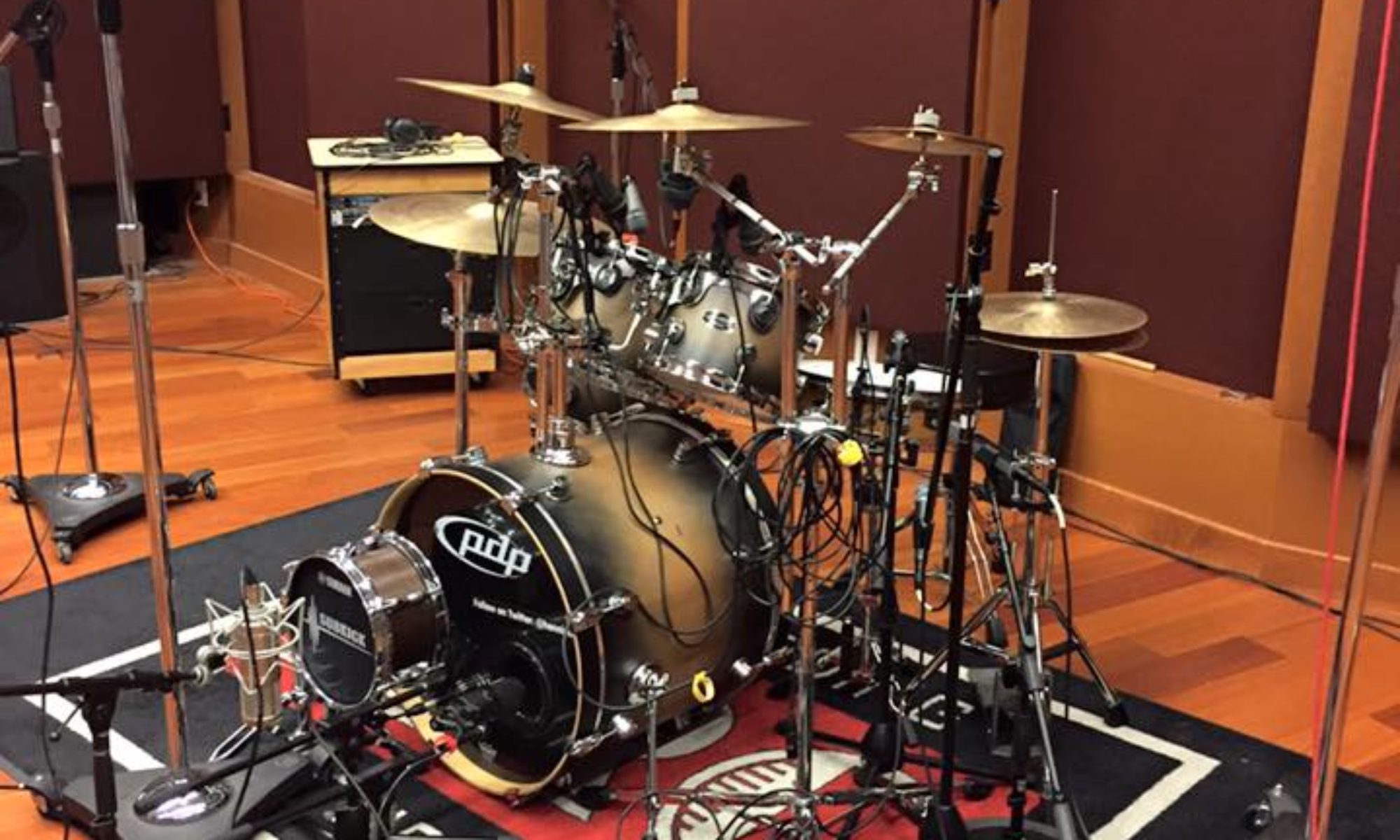
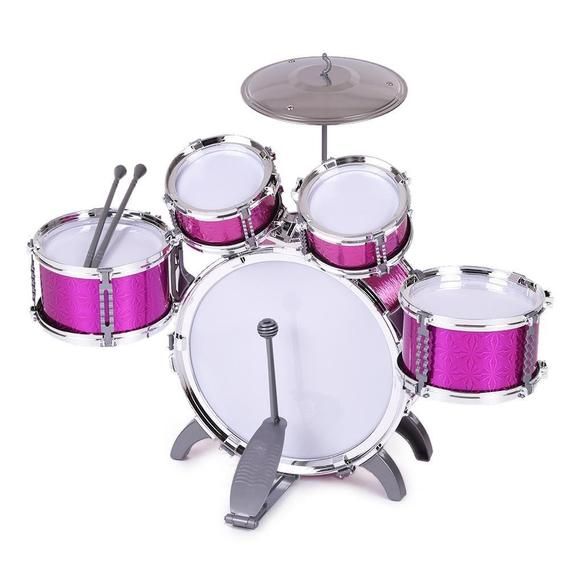
Short answer: no. This is one of the most common hesitations parents have. It’s also one of the most understandable. A full acoustic kit is a big investment. Nobody wants to buy one before they know if their kid will stick with it.
For at least the first several weeks, a practice pad and a pair of sticks are enough. Beginning drummers spend a lot of early lesson time on hand technique, rhythm reading, and coordination drills. None of that requires a full kit. Many students practice at home on a pad. Some even use a couch cushion or pillow in a pinch. They only bring a set into the picture once the interest is clearly sticking around.
If a family already owns a kit, great. We’ll use it. If not, I’d much rather see a student show up consistently with a $20 practice pad. That beats a $500 drum set gathering dust in the garage after three lessons.
What Happens During the First Lesson
First lessons are designed to be low-pressure. They’re meant to be genuinely fun, not a test. Here’s the typical flow:
- A quick conversation. I ask about musical interests, favorite songs, and any prior exposure to instruments. This tells me a lot about how to frame the rest of the lesson.
- Basic grip and posture. We cover how to hold the sticks and sit at a pad or kit comfortably. This is the foundation everything else builds on.
- A simple rhythm exercise. Usually something achievable in the first five minutes. The student leaves with an early win under their belt.
- Playing along to music. Most kids light up the moment they get to play a simple beat along with a song they recognize. It’s the moment “lessons” starts to feel like “drumming.”
- A simple take-home practice plan. Nothing overwhelming. Just a couple of short exercises to work on before the next lesson.
By the end of that first half hour, most students have a much clearer sense of things. So do the parents watching from the doorway. They can tell whether this is something their child wants to keep doing. That’s really the whole point of a first lesson.
Previous articles on age related teaching
The Bottom Line
There’s no single “right” age to start drum lessons. But if you’re looking for a reasonable default, eight years old is a good one. That’s usually where physical coordination, attention span, and basic academic skills line up well enough for structured lessons to take off. Younger kids can still explore rhythm in a more playful way. Older beginners are never “too late” to start. The real readiness signs matter more than a birthday. Curiosity. The ability to follow instructions. A genuine interest in rhythm. Those count for more than the number of candles on last year’s cake.
If you’re in Sacramento and wondering whether your child is ready to start, the best next step isn’t more research. It’s a conversation — and maybe a practice pad.