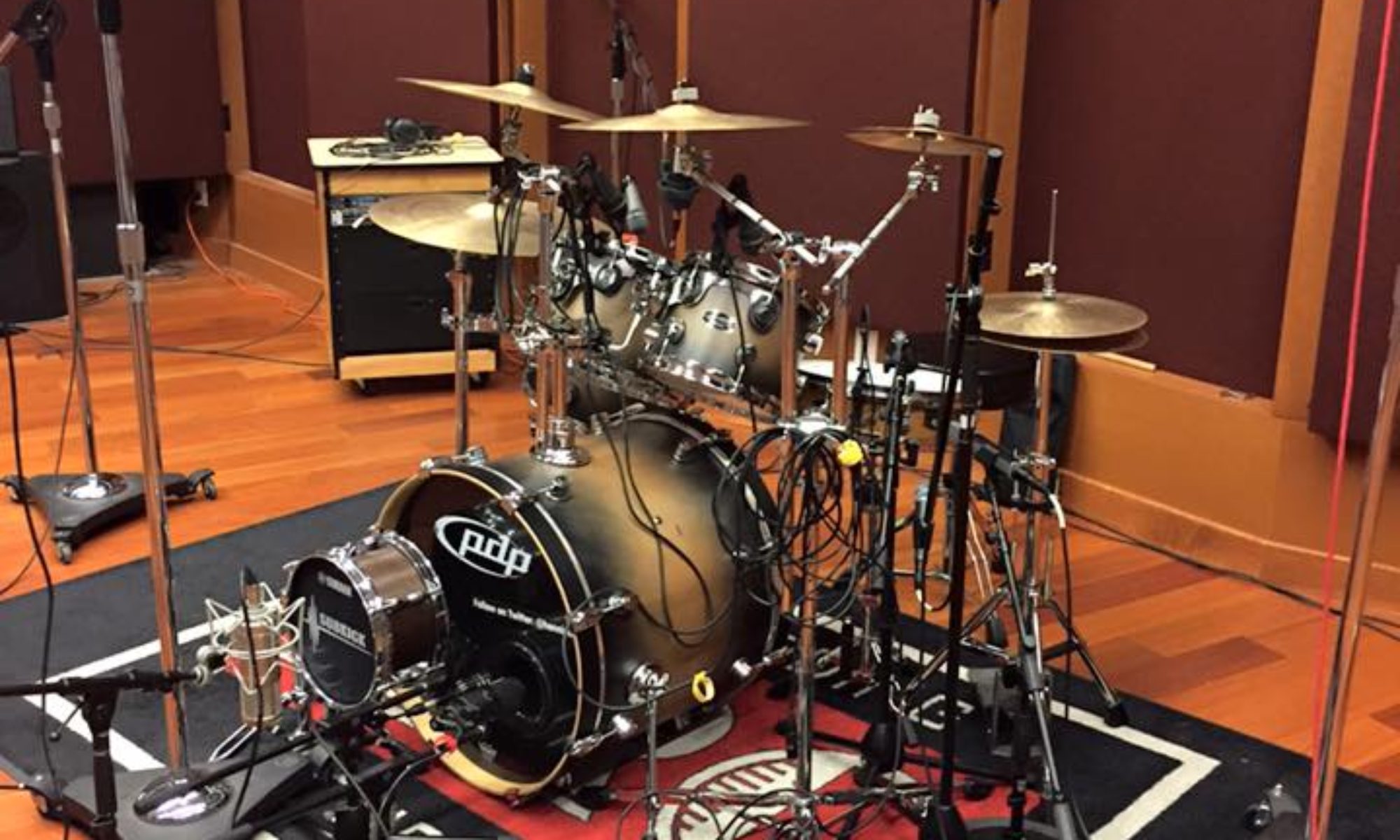


You’ve sent me your song and we’ve talked about what you’re looking for. So what happens next? A remote drum recording session is more than hitting record and playing from beginning to end. Here’s what happens in my studio after your track arrives.
First, I Listen Before I Play

When a song comes in, I don’t immediately sit down and start recording. I listen to it several times first. I want to understand the structure, dynamics, vocal phrasing and where the music naturally wants to build or pull back.
After more than 40 years of playing drums, one of the most important things I’ve learned is that knowing what not to play can be just as important as knowing what to play. The goal isn’t to fit as many drum ideas as possible into the song. It’s to find the part that makes the song work.
I Map Out the Song and Its Dynamics
Next I get familiar with the arrangement: intro, verses, choruses, bridge, stops, transitions and ending. I listen for places where the drums need to lift the energy and places where they should stay out of the way.
If you’ve supplied specific notes, reference tracks, a tempo map or a click, those become part of the roadmap. If you’re preparing a track for me, my guide on how to prepare your song for a session drummer explains what information is most useful.
I Decide What the Song Needs From the Drums
This is the musical part of a remote drum recording session. Does the verse need a simple pocket? Should the chorus open up? Does the bridge need a different texture? Is a fill helping the transition, or is it distracting from the vocal?
If you’ve given me a reference song or drummer, I’ll use that to understand the feel you’re after without simply copying somebody else’s performance. If you haven’t specified a drum part, I’ll create one around the arrangement, lyrics and mood of your song.
Then I Record the First Pass
Once I know the song well enough that I’m thinking musically instead of trying to remember what comes next, I start recording. I generally work up a first pass within a few hours of first hearing a track.
The first pass is important because it tells me whether the choices I heard in my head actually work when they’re played against the music. Sometimes the first instinct is right. Other times a groove, fill or dynamic choice sounds different once the drums are actually in the track.
I Listen Back Critically
Recording the take isn’t the end of the job. I listen back to the performance with the song and ask the same questions a producer would: Is the groove sitting correctly? Are the fills helping? Does the chorus lift? Is anything too busy? Is there a place where the drums should breathe more?
That review is where experience matters. A technically clean performance isn’t automatically the right performance. I want the drums to sound like they belong in the song.
You May Hear an Early Take
Depending on the project, I may send you a rough take before everything is finalized. That’s especially useful when you have something very specific in mind. Hearing the drums against your song gives us something concrete to discuss instead of trying to describe every musical idea with words.
Feedback and Revisions Are Part of the Session
If you want a chorus to hit harder, a verse to be simpler, a fill changed or the bridge approached differently, tell me. I can go back into the session and make targeted changes rather than starting the entire performance over.
Clear direction before recording usually reduces the number of revisions, but the review process is there to make sure the final drum part serves your song—not my ego.
I Prepare the Final Drum Tracks
Once the performance is approved, I prepare the final audio for delivery. I generally provide individual drum tracks as WAV files so you or your mixing engineer have flexibility when mixing. The files begin from the same point in the song so they can be imported into your DAW and lined up correctly.
For a deeper explanation of the deliverables, see What Drum Files Do You Get From a Remote Session Drummer?.
How Is This Different From the Overall Remote Recording Process?
This article focuses on what happens inside my recording process once your song arrives. If you’re new to the whole idea and want the complete overview—from sending the song through receiving the finished tracks—start with Remote Session Drummer: How Online Drum Recording Works.
Ready for Your Remote Drum Recording Session?
I’m Patrick Hennessey, a professional drummer with more than 40 years of live and recording experience. If you’ve got a song that needs real drums, send me what you have—even if it’s still a rough demo—and tell me what you’re hearing.
Learn more about my professional session drummer services or request session availability →