

If you’ve been thinking about taking drum lessons but haven’t bought a drum set yet, here’s the good news:

No, you don’t necessarily need to own a full drum set before taking your first lesson.
In fact, I’d rather see a beginner start learning first than spend a bunch of money on equipment they don’t understand yet.
There’s a difference between what you need to start learning drums and what you’ll eventually want in order to practice and develop as a drummer. So don’t let the lack of a drum set be the thing that keeps you from getting started.
You Don’t Need to Buy Everything Before Lesson One
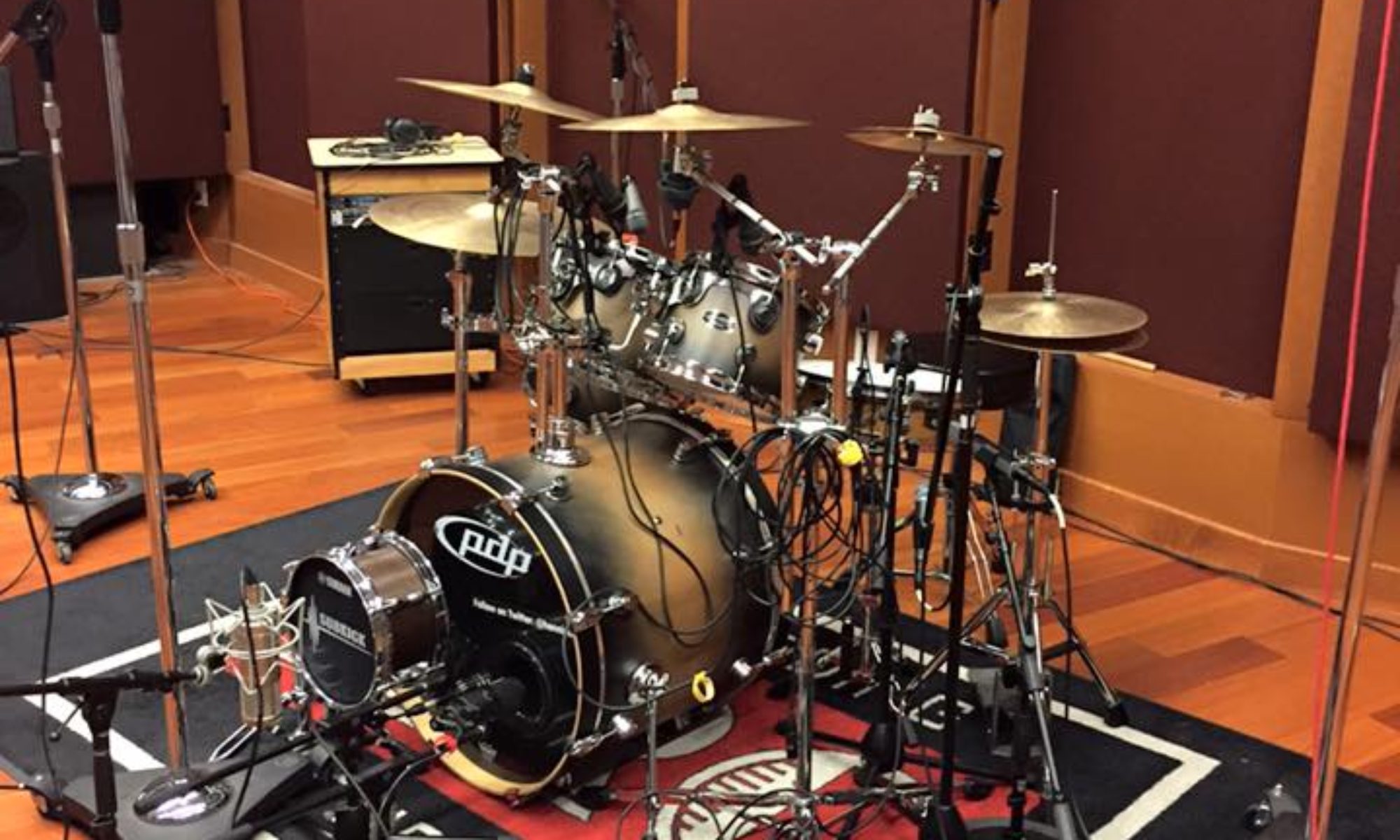
Drums can look like an expensive hobby from the outside. You see a complete kit with drums, cymbals, stands, pedals, a throne, sticks, and everything else and think, Do I need all of that before I can even take a lesson?
No.
Your first drum lessons are about learning the fundamentals and getting comfortable with the instrument. They’re also an opportunity to figure out whether drumming is something you really enjoy before investing heavily in equipment.
If you’ve never played before, you probably don’t know what kind of drum set you want anyway. Acoustic or electronic? How many pieces? What sizes? What cymbals? What hardware?
Those decisions become much easier once you’ve spent some time actually playing.
What Do You Actually Need to Start Learning Drums?
Not much.
A pair of drumsticks is a great place to start. If you don’t have your own yet, don’t let that stop you from taking your first lesson.
For practicing at home, a basic practice pad can also be incredibly useful. A practice pad gives you a surface designed for developing stick control, rebound, timing, rudiments, dynamics, hand coordination, speed, and endurance.
It’s inexpensive, doesn’t take up much room, and—something the rest of your household may appreciate—it’s considerably quieter than a drum set.
But there’s an important distinction: a practice pad can help you learn to drum. It can’t completely replace a drum set.
Can You Practice Drums Without a Drum Set?
Absolutely.
There’s quite a bit we can work on without sitting behind a complete kit. Basic strokes, timing exercises, rudiments, stick control, reading rhythms, and other fundamentals can all be practiced away from the drum set.
You can even work on coordination exercises using your hands and feet without having drums in front of you. But eventually, you’ll want access to a full kit.
Playing the drum set requires your hands and feet to work both independently and together. Your right hand may be playing the hi-hat while your left plays the snare, your right foot controls the bass drum, and your left foot operates the hi-hat pedal.
That’s difficult to reproduce completely with a practice pad. So think of practicing without a kit as a starting point, not necessarily the final destination.
Practice Pad vs. Drum Set: What’s the Difference?
A practice pad is fantastic for developing your hands. A drum set teaches you how to become a drummer.
That’s where you begin combining the skills you’ve developed with your hands with foot coordination, movement around the kit, dynamics, fills, grooves, and eventually playing along with actual music.
They’re complementary tools rather than competitors. I still see value in practice-pad work even after someone has access to a complete drum kit. Sometimes removing all the other pieces lets you concentrate on one specific technique without distraction. Then we bring that technique back to the kit and make music with it.
Acoustic Drums or Electronic Drums for a Beginner?
Eventually, this question usually comes up. And there’s no single answer that’s right for everybody.
Acoustic Drums
An acoustic drum set gives you the traditional experience of playing real drums and cymbals. You experience the physical response of the heads, cymbals, dynamics, and sound directly.
They’re also loud. That may not matter if you have a dedicated music room, garage, rehearsal space, or understanding neighbors. It can matter quite a bit if you live in an apartment.
Electronic Drums
Electronic drum kits can be a practical option for beginners who need more control over volume. You can practice with headphones, access different drum sounds, and often connect the kit to computers and other music technology.
They’re still drums, though. Hitting electronic pads and operating pedals creates physical noise, so “electronic” doesn’t necessarily mean completely silent.
The better question isn’t Which type of drum set is better? It’s Which type of drum set makes sense for where and how you’re going to practice?
That’s something I’d be happy to help you figure out before you spend your money.
Should Parents Buy a Drum Set Before Their Child Starts Lessons?
Not necessarily.
If your child is interested in drums, that’s fantastic. But there’s nothing wrong with letting them experience the instrument through lessons before investing in a complete setup.
A first lesson can tell us quite a bit. How does your child respond to the instrument? Can they stay engaged? Do they enjoy working on coordination? Do they want to keep playing when the lesson ends? Most importantly, do they leave excited about coming back?
Those answers can be much more valuable than trying to predict everything before they’ve ever sat behind a kit. If you’re still deciding whether your child is ready to begin, read Best Age to Start Drum Lessons: A Sacramento Teacher Explains.
What About Adult Beginners?
Adults sometimes create a different barrier for themselves: “I’ll take lessons once I buy drums.”
Then six months go by. You still don’t have drums. And you still haven’t taken the lesson.
You don’t need to have everything figured out first. Maybe you live in an apartment. Maybe you don’t have much room. Maybe you’re considering an electronic kit. Or maybe you’re not sure you’ll stick with drumming long enough to justify buying equipment.
Those are all reasonable concerns. They aren’t reasons you can’t start learning. And if age is the thing holding you back instead of equipment, read Can Adults Learn How to Play Drums? Spoiler: yes.
When Is It Time to Buy Your First Drum Set?
There isn’t a magic number of lessons after which you’re officially required to own drums. But you’ll probably know it’s time when you’re practicing consistently and your development starts requiring more time on a full kit.
- You’re practicing regularly between lessons.
- You’re ready to work seriously on four-limb coordination.
- You’re learning complete grooves and fills.
- You want to play along with songs.
- You understand your practice-space limitations.
- You have a better idea of whether acoustic or electronic drums fit your situation.
- You know you’re enjoying this enough to keep going.
At that point, buying a drum set isn’t just buying something because you might learn drums someday. You’re buying an instrument because you’re already learning to play it.
Ask Your Drum Teacher Before Buying a Kit
This might save you some money.
There are a lot of drum sets out there. There are also plenty of kits that look impressive in an advertisement but may not be the best choice for a particular student.
Before making a major purchase, talk to your drum teacher. Tell me about your budget, available space, how much noise you can realistically make, what kind of music you want to play, and what you’re trying to accomplish.
Then we can talk about what actually makes sense. I’d much rather help a student choose equipment they’ll enjoy using than have them arrive at a lesson and say, “So… I bought this drum set. Was it a good one?”
Let’s have that conversation before the credit card comes out.
Start Learning First. Build Your Setup as You Go.
One of the easiest ways to never start something is convincing yourself that everything has to be perfect before you begin.
Drumming doesn’t work that way. You don’t need the perfect drum kit. You don’t need the perfect practice room. You don’t need years of musical experience. And you definitely don’t need to already know how to play.
You need somewhere to start. The equipment can grow along with you.
Ready to Start Drum Lessons in Sacramento?
You don’t need a room full of drums to take your first step.
I’m Patrick Hennessey, a Sacramento-area drummer and drum instructor with more than 40 years behind the kit, including live and recording experience.
I offer one-on-one private drum lessons in Sacramento for beginners through experienced players, with lessons built around your goals, musical interests, experience, and learning pace.
Already have a drum set? Great. Don’t have one yet? We can figure that out together.
Ready to Find Your Groove?
Schedule your first drum lesson today and let’s get you behind the kit. →